
 EWP
EWP 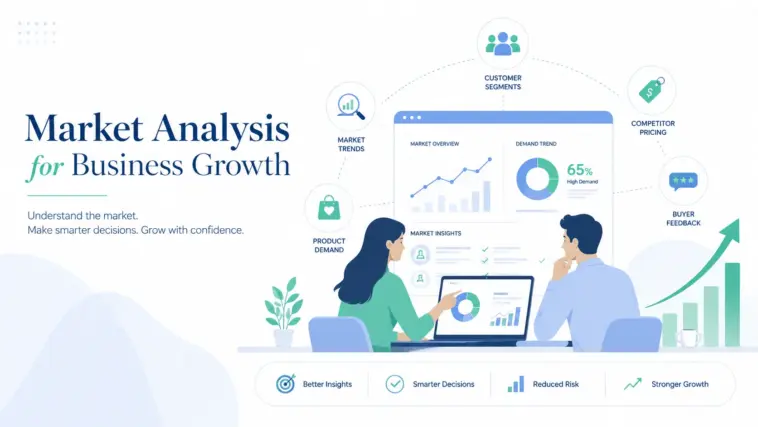
Starting or expanding a commercial venture without solid data is one of the most common reasons why new projects fail. Many owners rely too heavily on their personal intuition, assuming they already know what their customers want and how much they are willing to pay. However, actual customer behavior often differs from these assumptions, which can lead to costly mistakes in inventory purchasing, pricing, and advertising. Conducting thorough market research helps you gather reliable evidence about consumer demand, enabling you to allocate your capital wisely and minimize unnecessary financial risks.
This systematic process of gathering information allows you to identify realistic opportunities and prepare for potential downturns before they impact your balance sheet. Lenders and business partners also look for this data to verify that your business model rests on a firm foundation rather than mere guesswork. By taking the time to study your industry structure, you can determine whether there is enough room for a new player or if the market is already saturated. This preparation ensures that you build a resilient business that can survive changing economic conditions and maintain steady sales over time.

Identify Your Core Customer Groups
To sell any product successfully, you must have a clear picture of the specific people who need your service. Trying to appeal to everyone usually results in a generic message that appeals to no one, wasting your marketing budget. By defining your target buyers by their age, location, income level, and buying habits, you can tailor your offers directly to their daily needs.
Once you have identified these specific groups, you can study their actual purchasing cycles to see when and how they spend their money. This knowledge helps you align your production schedules and sales campaigns with the times when your customers are most active. Understanding your buyers on this level allows you to build stronger relationships and keep your customer acquisition costs low.
Study the Prices of Your Competitors
A successful pricing strategy requires a deep understanding of what your direct and indirect competitors charge for similar offers. If your prices are too high without a clear reason, customers will naturally choose cheaper alternatives in the market. Conversely, setting your prices too low might attract buyers, but it can also ruin your profit margins and make your brand look cheap.
Gathering historical pricing data from your competitors helps you find the optimal price point that covers your costs while remaining attractive. Analyze whether your rivals offer discounts during specific seasons or if they bundle products together to increase their average order value. This analysis ensures that your pricing model is competitive, sustainable, and capable of generating real profit.
Gather Feedback Directly From Real Buyers
While secondary data from industry reports is useful, nothing replaces direct communication with your actual target audience. Asking potential buyers about their current frustrations and what they look for in a product provides invaluable first-hand insights. You can gather this information through simple surveys, individual conversations, or by observing how people interact with similar products.
To get the most useful feedback from your target audience, you should focus on simple and direct methods that do not take up too much of their time. Consider using these standard research techniques to collect buyer feedback:
- Brief online surveys with clear, multiple-choice questions
- One-on-one interviews with individuals who fit your customer profile
- Detailed analysis of public reviews on competitor websites
- Direct observation of consumer behavior in local retail environments
Monitor the Demand for Your Products
Consumer interests and market demands do not remain the same year after year, which is why you must track changes in search volume and purchasing patterns. Some products experience high demand during specific seasons, while others maintain a steady sales volume throughout the entire calendar year. Recognizing these patterns helps you avoid holding too much unsold inventory or running out of stock during peak sales periods.
By monitoring these fluctuations regularly, you can predict slow periods and adjust your operational expenses accordingly to protect your cash flow. This proactive approach prevents sudden drops in revenue from disrupting your daily business operations. Understanding demand patterns gives you the confidence to make long-term commitments to suppliers and staff.
Evaluate the Barriers to Your Entry
Every industry has specific challenges that make it difficult for new businesses to enter and establish themselves successfully. These barriers can include strict government regulations, high initial equipment costs, or strong brand loyalty toward existing companies. Knowing these obstacles in advance helps you calculate the exact amount of capital and time you need to overcome them.
If the barriers to entry are exceptionally high, you must decide whether the potential return on investment justifies the initial risk. Sometimes, finding a smaller, specialized niche within the larger market allows you to bypass these major hurdles entirely. Evaluating these challenges honestly keeps you from entering a market where the odds of survival are heavily stacked against you.
Make Regular Analysis a Business Habit
A market analysis is not a one-time project that you complete and then forget about as your business grows. Industries evolve as new competitors enter the market, regulations change, and customer preferences shift toward different solutions. Reviewing your market data at regular intervals ensures that your commercial strategy remains practical and aligned with reality.
Remaining adaptable in a shifting business environment requires access to accurate, up-to-date information and experienced guidance. Partnering with professional consultants like ASER ensures that you collect accurate information and interpret it correctly to support your business expansion. Making research a permanent part of your business routine helps you identify new trends early and secure sustainable growth.