
 EWP
EWP 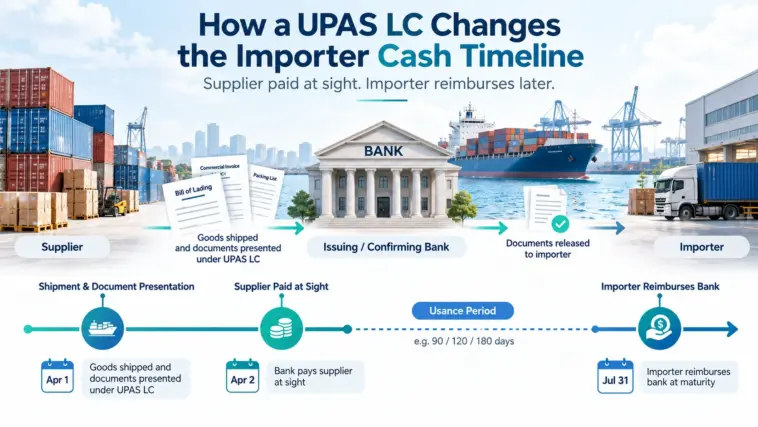
A usance payable at sight letter of credit can allow a supplier to receive payment at sight while the importer reimburses its bank at a later date. The arrangement can bridge a real timing gap between goods arriving and customers paying. It also creates a financing cost and a fixed obligation for the importer. Before requesting terms, the buyer needs a cash forecast showing how the deferred reimbursement date fits its sales and collection cycle.
Distinguish supplier and buyer timing
The supplier is interested in when it can receive funds against a complying presentation. The importer is interested in when it must reimburse the financing bank. Those dates are connected but not identical. Confirm how the LC is available, who pays discount or financing charges and whether the supplier’s bank will accept the issuing bank. A deferred tenor does not eliminate the buyer’s obligation because its customer sells slowly. The buyer remains responsible under its bank arrangement when reimbursement comes due.
Specify the underlying trade
The purchase contract should state the goods, price, shipment dates, delivery point and documentary obligations. The LC must reflect terms the supplier can satisfy. A bank will also examine the importer’s credit position, limit and collateral. A request focused only on the desired tenor misses these underwriting questions. If the importer expects to sell goods after arrival, show the inventory holding period and customer payment terms supporting the selected maturity.
Check the total price
Compare supplier pricing under sight payment with alternatives under supplier credit. Add LC issuance, confirmation where needed, discount charges, bank margin and administrative costs. A cheap quoted rate for one portion of the transaction can obscure a high total financing cost. The importer should measure that all-in expense against gross margin and determine whether the arrangement improves supplier terms or simply shifts costs between parties.
Allow documentary time
Goods may be afloat while documents move through banks. Presentations can contain discrepancies requiring a waiver or correction. Determine when a supplier expects sight payment and what documents it can produce. Leave room for transport delays and any amendments to shipment dates. A structured timeline should cover issue, shipment, presentation, supplier payment, goods release, customer sale and importer reimbursement.
Questions to resolve before a mandate
For any proposed facility, identify the legal borrower and every party that will receive or control funds. Confirm the governing contracts, the currency and the date each payment becomes due. Mark assumptions that are still being negotiated. Explain the bank accounts through which proceeds will move and any lender rights already granted over goods or invoices. These details let advisers and potential funders distinguish a viable trade cycle from a request that needs further commercial work. An incomplete initial submission can be refined, but contradictions between contracts and cash forecasts should be resolved before firm terms are expected.
Prepare for supplier document review
The supplier should see the draft LC before manufacturing or shipping. Its operations team can identify conditions it cannot meet, while its bank can comment on payment mechanics. The importer should avoid assuming that a supplier’s sales representative has confirmed the documentary requirements internally. Track who approved the final draft and any subsequent changes. If a certificate must come from an independent inspector, book that service early and clarify how its findings will affect the invoice. This review reduces both discrepancy risk and the chance that a supplier delays production because the payment undertaking does not meet its expectations.
Manage the maturity mismatch
An importer should stress slower customer collections and unsold stock. If the reimbursement date arrives while goods are still in warehouse, another source of liquidity is required. A maturity based solely on an optimistic sales forecast creates refinancing risk. The buyer may need a buffer, staged inventory releases or separate receivables financing after customer invoices are issued. Model these steps before committing to a tenor.
Review bank and country exposures
A beneficiary may require confirmation if it is unwilling to rely solely on the issuing bank. Availability and price depend on the bank, country and tenor. The importer should also consider currency exposure if its supplier is paid in dollars while customers pay in another currency. Compliance review of products and counterparties can affect issuance timing. Discuss these issues with the banks before agreeing to a shipment date that assumes immediate approval.
Prepare a complete request
Provide financial statements, purchase documents, expected cash conversion, amount, tenor and proposed security. Identify any prior LCs or existing bank limits that could restrict issuance. A transaction-level forecast helps the bank assess repayment from ordinary sales and collections. Financing should be sized to an actual payable and operating cycle, rather than an abstract goal of extending the importer’s cash runway.
A practical downside review
Assume one ordinary event goes wrong: shipment is late, documents require correction, goods fail inspection or a customer pays later than planned. Recalculate the amount outstanding, the additional expense and the next available source of repayment. Then consider whether two of those events could occur together. A useful facility has clear procedures for exceptions, not simply a base-case repayment date. Record who can authorize an amendment, provide replacement collateral or negotiate with the end buyer. These steps are easier to agree before a transaction is under deadline pressure.
Data that should remain current
A lender can initially review financial statements and contracts, but an active trade requires current figures. Update shipment status, outstanding invoices, collateral quantities and expected collections on an agreed schedule. Date every version so parties do not rely on superseded assumptions. If a buyer changes its delivery plan or a supplier requests new payment terms, assess the effect on available credit before proceeding. The reporting process should be simple enough to sustain during a busy week and precise enough to show when a material risk has changed.
The value of UPAS LC financing lies in matching supplier payment with an importer repayment date the business can reasonably meet. The importer should compare that alignment and the full cost with other import facilities. A sight payment to the supplier is useful only when the buyer can also manage the deferred obligation.