
 EWP
EWP 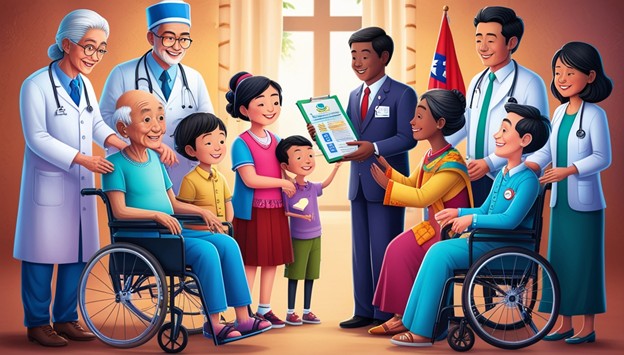
India’s social and economic progress has been strongly supported by a wide network of welfare programs designed to uplift citizens across different regions and income groups. These initiatives focus on improving healthcare, education, financial inclusion, housing, agriculture, entrepreneurship, and overall quality of life. Together, they form a crucial part of the nation’s inclusive development strategy.
The range of government schemes implemented in India addresses diverse needs by supporting farmers, women, senior citizens, students, MSMEs, and underprivileged communities. Each program is created with specific objectives such as improving access to basic services, empowering vulnerable groups, generating employment opportunities, and ensuring long term socio economic stability. With consistent updates and expansions, these schemes continue to benefit millions of people every year.
Strengthening Social Security and Rural Upliftment
A large number of schemes focus on improving living conditions and supporting rural households. Programs such as Atal Bhujal Yojana and Fasal Bima Yojana work to strengthen the agricultural sector by improving water conservation, crop insurance coverage, and farmer resilience. Meanwhile, PM Surya Ghar Yojana and PM SVANidhi Scheme empower households and small business owners with affordable energy access and financial assistance.
Jal Dhan Yojana and Mudra Yojana ensure that citizens gain access to banking, credit, and financial support. These initiatives promote entrepreneurship, financial literacy, and income generation, helping families achieve financial independence.
Improving Healthcare and Nutrition for Citizens
Health focused programs like Ayushman Bharat, Mission Shakti, and Mission Poshan aim to make healthcare affordable and accessible for all. Ayushman Bharat provides health insurance coverage to millions of families, ensuring quality treatment without financial stress. Mission Poshan focuses on improving nutritional outcomes among children and pregnant women, addressing malnutrition at the grassroots level.
The inclusion of schemes such as Jan Dhan Yojana, Jeevan Jyoti Bima Yojana, and Senior Citizen Savings Scheme ensures that the elderly, low income families, and vulnerable citizens receive necessary protection and support.
Empowering Women and Children Through Targeted Programs
Women and child welfare remains one of the strongest pillars of India’s development agenda. Initiatives like Beti Bachao Beti Padhao, Ujjwala Yojana, and Bharatiya Janaushadhi Pariyojana are designed to improve health, safety, and opportunities for women.
The Ujjwala Yojana provides clean cooking fuel to millions of households, reducing health risks for women and helping families shift toward cleaner energy usage. Beti Bachao Beti Padhao encourages gender equality, girl child education, and protection. Other initiatives like Mission Shakti and Ujjwala contribute significantly to improving the social and economic conditions of women across India.
Promoting Skill Development and Employment
Skill building and employment generation form an essential part of India’s welfare strategy. Kaushal Vikas Yojana, Stand Up India, and Skill India create opportunities for youth by offering training programmes, entrepreneurship support, and financial assistance. These schemes support individuals entering the job market, encourage innovation, and help reduce unemployment.
Employment Linked Incentive Scheme and PM Vishwakarma Yojana promote sector specific skill enhancement by integrating modern tools, training methods, and market linkages. These initiatives strengthen the workforce and encourage sustainable livelihoods.
Driving Housing, Infrastructure and Urban Transformation
Housing affordability and urban development are addressed through schemes such as Pradhan Mantri Awas Yojana and Smart Cities Mission. PM Awas Yojana works to provide affordable housing for economically weaker sections, helping families gain access to secure and dignified living spaces. The Smart Cities Mission focuses on modernizing urban areas through better infrastructure, digital solutions, and sustainable development practices.
The National Water Mission and National Mission for Clean Ganga emphasize environment conservation, water management, and ecological preservation. By prioritizing natural resource management, these initiatives support long term sustainability.
A Comprehensive Network Supporting Inclusive Growth
India’s welfare ecosystem consists of interconnected programs addressing multiple dimensions of development. From education and health to agriculture, finance, and infrastructure, these schemes collectively drive balanced growth across states. Many of them have been refined over the years to align with evolving national priorities and to ensure that benefits reach the most deserving communities.
With continued policy support, digital governance, and increased awareness among citizens, these initiatives are expected to play an even greater role in transforming India’s socio economic landscape in the coming years.