
 EWP
EWP 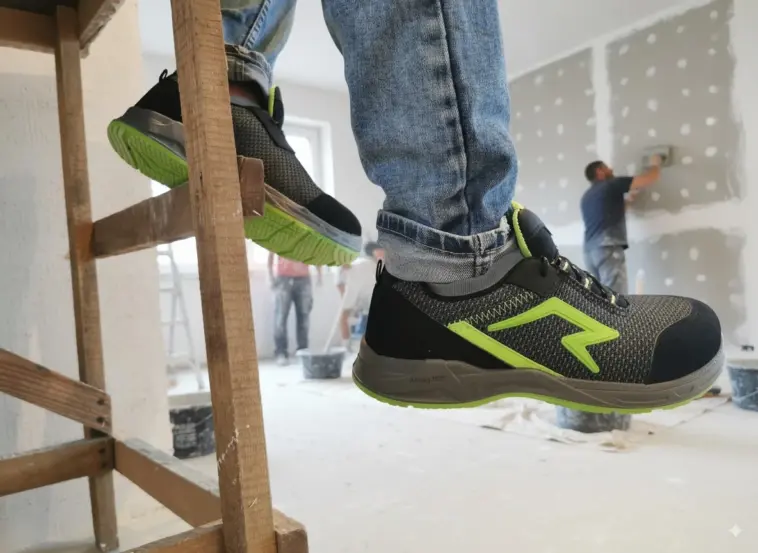
Anyone who has ever worked a long shift on a construction site in Abu Dhabi’s hot climate knows the feeling: your feet feel like lead, every step is hard to take, and fatigue takes its toll. High temperatures and humidity add to the strain, making shoes a trap for heat and sweat. In such conditions, lightweight and comfortable footwear is no longer a luxury – it’s an element of health and safety. The right lightweight work boots can help reduce fatigue, maintain concentration and reduce the risk of injury. That’s what we’re going to talk about in this article, and the best solutions can be found at talansafetyshoes.com.
Why lightweighting is a game changer
- Reducing fatigue. Every gram you have to lift is accumulated in thousands of steps. A 200-300 gram difference turns into kilometers of extra strain by the end of a shift.
- Increased productivity. Foot fatigue directly affects attention and reaction. Lightweight comfortable work shoes Abu Dhabi help you stay focused even during the hottest hours.
- There is less risk of injury. Tired feet are more likely to trip and falls on the construction site are serious consequences. That’s why long shifts safety footwear with lightweight construction becomes the choice of professionals.
The main factors affecting the weight of the shoe
Toe materials
The traditional steel toe is reliable but weighs the shoe down. The modern alternative is composite toe work boots. They are lighter, do not conduct heat or cold, and can withstand the same loads. In some cases, plastic inserts are used – another way to reduce weight.
Outsole
Lightweight polyurethane (PU) soles are much more comfortable for long shifts than solid rubber soles. They provide cushioning while remaining lightweight and flexible.
Shoe upper
Modern textile materials and mesh inserts make the shoe noticeably lighter. These breathable safety shoes create ventilation, which is especially important in the Abu Dhabi climate.
Other important features for long shifts
- Air permeability. Perforations and mesh upper allow air to circulate and prevent overheating. This is especially important for work boots for hot weather.
- Ergonomics. Good cushioning, support for the arch of the foot and the correct shape of the insole reduce stress on the joints. These are the models that can be called true ergonomic work boots.
- Anti-puncture protection. Steel plates add weight, but lightweight Kevlar insoles protect just as well, while making the shoes more flexible. This kind of option is a classic for fatigue reducing footwear.
How to make the right choice
- Trying on. Always try on your shoes in the evening, when your foot is slightly enlarged from the strain of the working day. This way you will be sure that the shoes will not be tight in the morning.
- Labeling. Check that the shoes comply with safety standards EN ISO 20345. This is a guarantee that your shoes are tested for durability and safety.
- An investment in health. Lightweight footwear is an investment in a worker’s long-term health. It reduces the risk of chronic back and joint problems.
When lightness becomes your advantage
On a construction site in Abu Dhabi, you have to work in hot, sandy and humid conditions. The combination of protection and comfort comes first. The right boots are as much your tool as your helmet or gloves.
Talan creates models designed specifically for these conditions: lightweight soles, composite socks, breathable materials and ergonomic design. These lightweight work boots combine everything you need for long, hard shifts: protection, comfort, and durability.
If you want shoes that work for you, not against you, choose TALAN, a brand that knows what real construction in hot climates is all about.